
Labor
Can You Eat During Labor? The Honest, Updated Answer
The old 'ice chips only' rule is loosening, but it varies by hospital. Here's the real reason behind labor-eating rules and what most moms can have.
May 28, 2026 · 5 min read
Labor
No, you won't be shaved or given a routine enema, and you don't need elaborate daily prep. Here are the common labor-prep myths and what actually helps.
 Thomas Lambert, MD4 min read
A lot of what gets passed around about getting your body ready for labor comes from decades-old routines and well-meaning relatives — and a fair amount of it is outdated. Will they shave you? Do you need an enema? Should you be doing something every day to prepare "down there"? Let's clear up the most common labor-prep myths so you can walk in without a checklist of things you don't actually need to do.
For generations, routine shaving of pubic hair was standard before birth. It no longer is. Routine perineal or pubic shaving before a vaginal birth isn't recommended, because it doesn't reduce infection — and there's no need to do it yourself at home beforehand either.
If you're having a planned cesarean, the team may trim a small area at the incision site as part of surgical prep, but that's a specific, minimal step they handle — not a reason to shave everything in advance. Bottom line: you don't need to prep your body hair for birth.
Routine enemas used to be common too, on the theory that they cleaned things out and made delivery tidier. The evidence didn't support the routine, and it's no longer standard practice. You generally won't be given an enema just for showing up in labor.
It's worth knowing — and gently letting go of the embarrassment about — the fact that passing a little stool while pushing is completely normal and common. Your care team has seen it countless times, thinks nothing of it, and quietly handles it. It's actually a sign you're pushing effectively. No prep required, and nothing to be mortified about.
There's a lot of pressure to be actively prepping your body. Most of it is optional:
The genuinely useful prep is simpler: a packed bag, a car seat installed, knowing when to head to the hospital, and rest.
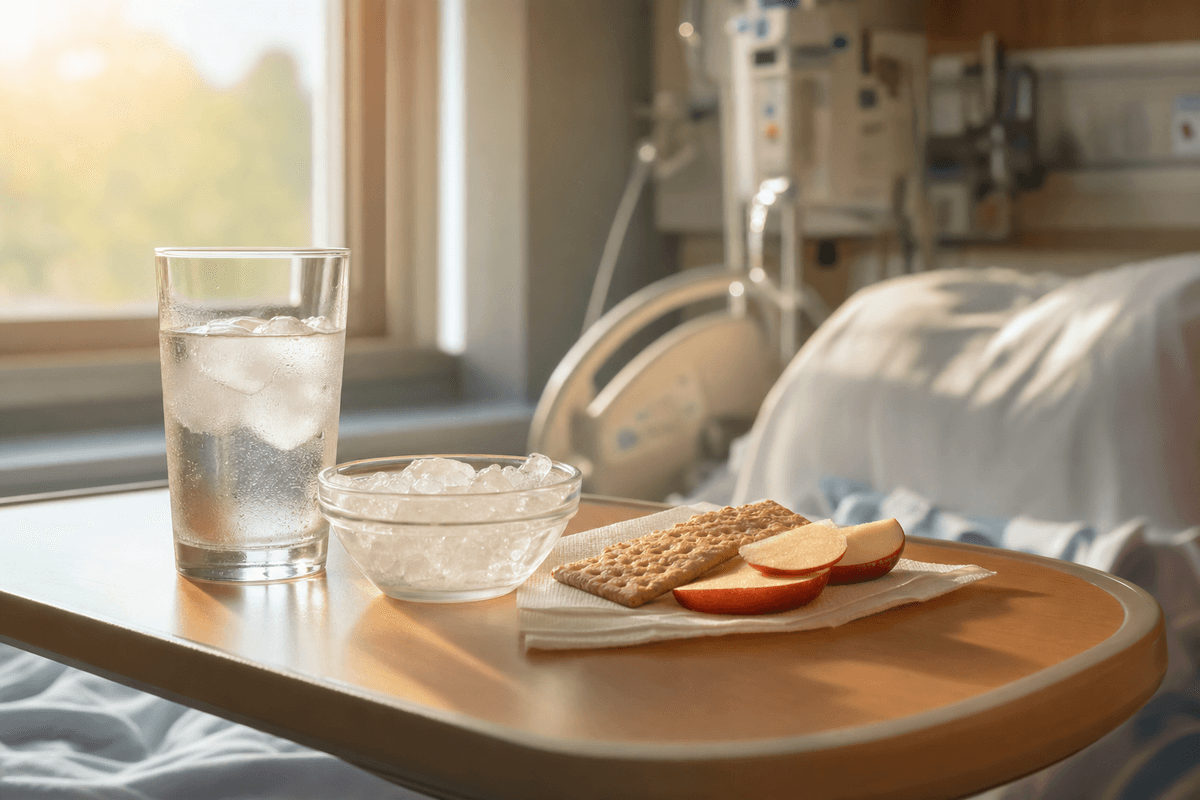
The old rule was nothing by mouth in labor, full stop. The picture is more nuanced now — many moms with low-risk labors are allowed clear fluids, and sometimes light food, though policies vary by hospital and your specific situation (an epidural or a higher chance of needing surgery can change the guidance). The honest answer is it depends and your team will tell you — but "absolutely nothing, ever" is more myth than current rule. (Here's the fuller picture on eating and drinking during labor.)
If you want a short, real list to replace the myths:
The reassuring theme here is that your body doesn't need elaborate preparation to give birth, and the hospital won't subject you to the uncomfortable routines of the past. Skip the myths, do the few genuinely useful things, and let your body and your team handle the rest.
This content is general educational information about pregnancy, birth, and obstetric anesthesia. It is not medical advice and does not replace a conversation with your own doctor. Every birth is different. Talk to your healthcare team about what's right for your specific situation.
If this explanation helped, the newsletter delivers the rest of the library one topic at a time.
Free · sent to your inbox in minutes
Labor
The old 'ice chips only' rule is loosening, but it varies by hospital. Here's the real reason behind labor-eating rules and what most moms can have.
May 28, 2026 · 5 min read

Pregnancy
Perineal massage before birth can modestly lower the odds of tearing — especially for first-time moms. Here's what the evidence says and how to do it.
May 28, 2026 · 5 min read

Labor
Knowing what the first hour at the hospital looks like takes the mystery out of arriving. Here's the sequence: triage, monitoring, IV, exam, admission.
May 28, 2026 · 5 min read
I acknowledge that: