PDF Ebook
VBAC + Anesthesia: What You Need to Know
Once you've decided to try for a VBAC, a new layer of planning opens up — the anesthesia layer. This guide doesn't relitigate the decision; it explains how planning shifts when you're attempting labor after a cesarean: why teams talk about placing an epidural earlier, what they watch for, and what a conversion to cesarean looks like from the anesthesia side.
- Secure Stripe checkout
- Instant PDF download
- Yours to keep

Written by Thomas Lambert, MDBoard-certified obstetric anesthesiologist
The real question
The VBAC decision is yours — this is the anesthesia layer underneath it
Whether to attempt a VBAC is a conversation with your OB. But once that choice is made, there's a quieter, anesthesia-specific layer most guides don't cover: readiness for the small chance of a problem, and the timing choices that make a conversion fast and safe if it's needed.
This guide explains the monitoring, the rationale for an earlier epidural (and the unmedicated option), and the three paths if labor converts — so the team's attentiveness reads as preparation, not alarm, and you can make the timing choice that fits you.
Inside the guide
What’s inside
The anesthesia-specific layer of a TOLAC plan — plus question lists for your OB and anesthesia team, and a printable worksheet.
- 01
Why VBAC Changes Planning
The clinical reality the team works with — specific, not scary.
- 02
TOLAC Basics
The terms, the rough success ranges, and where the decision belongs.
- 03
Why Teams Discuss Earlier Epidural Placement
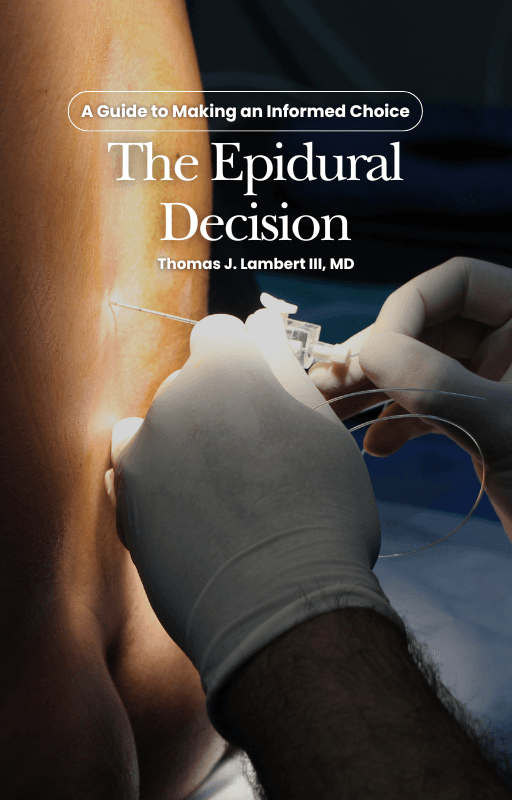
An epidural isn't required — but here's why it's often suggested earlier.
- 04
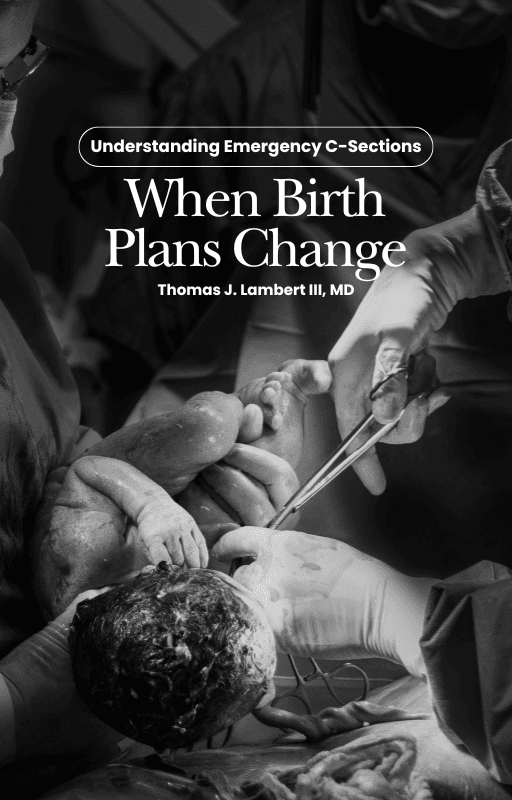
If the Plan Converts
The cesarean scenarios from a TOLAC, and how they differ from a standard one.
- 05
Monitoring and Scar Concerns
What the team watches for — so the monitoring feels less mysterious.
- 06
Questions for Your OB
The questions that get you the full TOLAC picture from your OB.
- 07
Questions for Anesthesia
The narrower list for a consult — or for your nurse to relay.
- 08
Decision Worksheet
A printable page for the anesthesia-specific layer of your plan.
What you'll walk away with
- Why TOLAC monitoring is heightened, and how to read it as preparation rather than alarm
- The case for placing an epidural earlier — and a clear-eyed look at the unmedicated option
- The three conversion paths, and why an already-placed epidural is often preferred
- Targeted question lists for both your OB and your anesthesia team
- A printable worksheet that gets your history, preferences, and worries on record
Who this guide is for
- Moms with a prior cesarean who've decided to attempt a VBAC
- Anyone preparing for an anesthesia consult with TOLAC-specific questions
- Partners helping navigate TOLAC labor and a possible conversion

Who wrote this
Thomas Lambert, MD
Dr. Lambert is a board-certified obstetric anesthesiologist who spends his days in labor and delivery. He writes these guides the way he explains things at the bedside — plainly, without the fear — so you can walk in calm and ready, whatever you decide.
FAQ
Questions moms ask
- What's the risk of uterine rupture in a VBAC?
- After one prior low-transverse cesarean it's roughly 0.5 to 1.0% — uncommon — and most TOLACs proceed with no sign of a scar problem. The monitoring exists to catch the rare case early.
- Will an epidural hide a rupture or hurt my chances?
- No. ACOG is clear that epidurals are acceptable in a TOLAC, don't mask the signs of rupture, and don't reduce the chance of a successful VBAC — the choice is yours.
- Why do teams suggest placing the epidural earlier?
- So a working epidural is ready to top up quickly if a cesarean becomes necessary — that's the fastest conversion path. You can also choose to labor unmedicated, or place a catheter without running medication through it.
- What's the most important early warning sign the team watches?
- A sudden, sustained drop in the baby's heart rate is the most sensitive early signal, which is why continuous monitoring is part of a TOLAC.
- What kind of hospital should a VBAC happen in?
- ACOG recommends places with surgery and anesthesia immediately available — the guide includes the questions to confirm your hospital meets that bar.
Start reading today
A VBAC plan isn't just the decision to try — it's the anesthesia readiness underneath it. Getting that layer right is what lets you go into labor calm and ready, whichever way the day goes.
One-time payment · instant PDF download · yours to keep